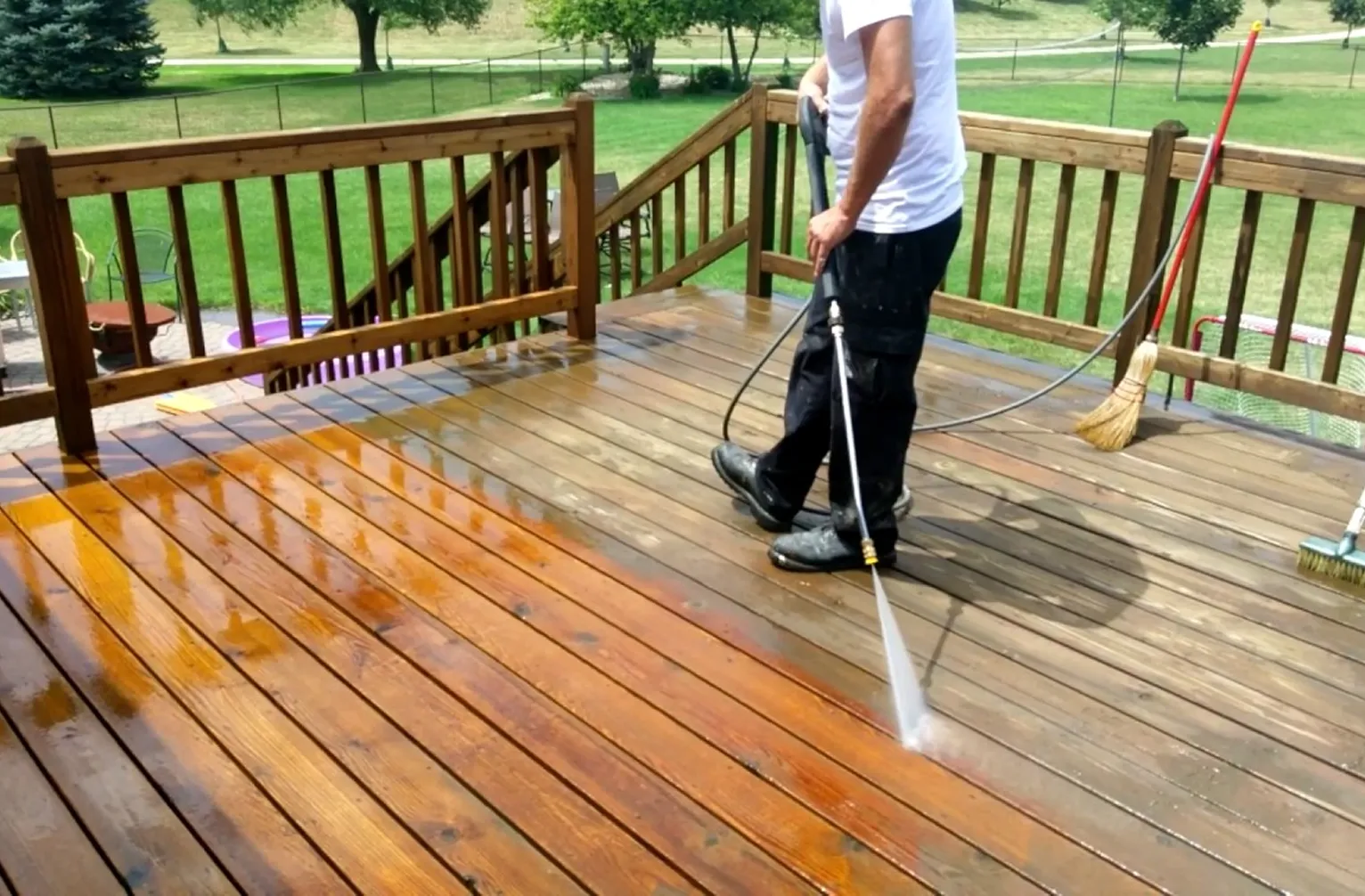
Is your home losing its original shine? Over the course of a year, your exterior walls collect layers of pollen, bird droppings, dust, and more dangerously mold and mildew. If left untreated, these contaminants can lead to permanent staining or even structural rot.
In this comprehensive 2026 guide, we’ll show you how to master house pressure washing like a professional. Whether you want to DIY or understand the process before hiring a service, these five simple steps will ensure a spotless finish without damaging your siding.
Why House Pressure Washing is Essential in 2026
Maintaining your home’s exterior is the single most effective way to boost curb appeal. According to real estate experts, a clean exterior can increase a property’s value by up to $15,000.
- Preventative Maintenance: It is much cheaper to wash your siding than to replace it due to rot.
- Health Benefits: Pressure washing removes allergens and spores that can trigger respiratory issues.
- Aesthetic Pride: Your home is likely your biggest investment; keep it looking the part.
Step 1: Preparation and Safety First
Before you pull the starter cord, you must prepare the area. High-pressure water is powerful enough to strip skin and shatter glass, so safety is paramount.
- Seal the Home: Ensure all windows and doors are shut tight. Check for cracked seals where water might seep in.
- Protect Electronics: Use plastic sheeting and painter’s tape to cover outdoor outlets, doorbells, and security cameras.
- Clear the Perimeter: Move patio furniture, toys, and potted plants at least 20 feet away.
- Gear Up: Never pressure wash in sandals. Wear waterproof boots, safety goggles, and heavy-duty gloves.
Step 2: Choosing the Right Equipment (PSI & GPM)
For house pressure washing, bigger isn’t always better. Using too much pressure can dent vinyl or strip paint.
- The Sweet Spot: Aim for a machine with 1500 to 2500 PSI.
- The Nozzle: Use the 40-degree (White) nozzle. This provides a wide, fan-like spray that cleans effectively without being overly aggressive.
- Chemicals: Use a biodegradable “House Wash” detergent.
Step 3: Setting Up the System
Connect your garden hose to the pressure washer’s water intake. Crucial Tip: Before turning the engine on, squeeze the spray gun trigger until a steady stream of water comes out. This removes air from the pump, preventing internal damage to the machine.
If your house is more than one story, do not use a ladder. Use a telescoping extension wand to reach high spots while keeping both feet safely on the ground.
Step 4: The Professional Washing Technique
To avoid streaks and ensure a deep clean, follow the “Soap Low, Rinse High” method.
1. Apply Detergent (Bottom to Top)
Start applying soap from the bottom of the wall and work your way up. This prevents “clean streaks” that occur when soapy water runs down a dry, dirty surface.
2. Dwell Time
Let the soap sit for 5–10 minutes. This allows the chemicals to break down the grime. Warning: Do not let the soap dry on the siding. If it starts to dry, mist it lightly with water.
3. The Rinse (Top to Bottom)
Switch to your 40-degree nozzle. Start at the very top of the house and work your way down. This ensures that the dirty water always flows onto an area that is about to be cleaned.
Step 5: Final Inspection and Post-Wash Care
Once the main wash is complete, give the entire house one final rinse with fresh water. Walk around the perimeter to check for missed spots (shadowing).
Check your gutters to ensure no debris was knocked loose during the process. Once the siding is dry, you will see a dramatic difference in the brightness of your home.Don’t let a dirty driveway ruin your clean house! Read our Driveway Cleaning Tips for a complete property refresh.
Deep Dive: Mastering Different Surfaces
While the 5-step process covers the basics, house pressure washing requires different techniques depending on what your home is made of. Using the wrong pressure on the wrong surface is the quickest way to cause expensive damage.
1. Vinyl Siding: The Gentle Approach
Vinyl is the most common siding material but also the most prone to cracking.
- Pressure Level: Keep it under 1500 PSI.
- Technique: Always spray downward. If you spray upward, water gets trapped behind the vinyl panels, leading to hidden mold growth inside your walls.
2. Brick and Mortar: The Porous Challenge
Brick is tough, but mortar (the stuff between the bricks) is soft.
- The Danger: High pressure can “blast” the mortar out, weakening your wall.
- Pro Tip: Wet the brick thoroughly with plain water before applying detergent to prevent the brick from soaking up the soap too deeply.
3. Wood Siding and Stucco
These are the most delicate surfaces.
- Soft Washing: For these materials, we recommend “Soft Washing”—a technique using higher concentrations of cleaning solutions and very low water pressure (similar to a garden hose).
Advanced Equipment: Beyond the Basic Washer
To truly achieve a professional result like Camo Pressure Washing, you might need more than just a standard wand.
- Surface Cleaners: If you are also cleaning your porch or entryway, a circular surface cleaner prevents “zebra stripes” (uneven cleaning lines).
- Turbo Nozzles: These rotate a high-pressure stream in a circular motion. They are great for stubborn stains on concrete but should never be used on house siding.
- Chemical Injectors (Down streaming): This allows you to pull detergent directly into the water stream after it leaves the pump, protecting your machine from harsh chemicals.
Environmental Responsibility in 2026
In today’s world, being eco-friendly isn’t just a trend—it’s a responsibility. When performing house pressure washing, your runoff often goes into storm drains that lead to local rivers.
- Biodegradable Soaps: Always ensure your “House Wash” is labeled as biodegradable.
- Phosphate-Free: Avoid phosphates, which can cause algae blooms in local water bodies.
- Water Conservation: A pressure washer actually uses less water than a garden hose because the high pressure cleans faster.
Maintenance: How Often Should You Wash?
For most homes, a professional house pressure washing should be done once a year. However, you might need it more often if:
- Your house is surrounded by tall trees (more sap and bird droppings).
- You live in a high-humidity area (faster mold growth).
- You live near a dirt road or a construction site.
Conclusion: When to Call Camo Pressure Washing
While DIY house pressure washing is possible, it is time-consuming and involves risks—especially for multi-story homes. If you want a professional, “Soft Wash” finish that protects your siding while killing every speck of mold, it’s best to call the experts.
At Camo Pressure Washing, we use specialized equipment that cleans deeply without the risks of high-pressure damage.